The impact of the ink layer condition of printed materials on the lamination quality of the laminating machine
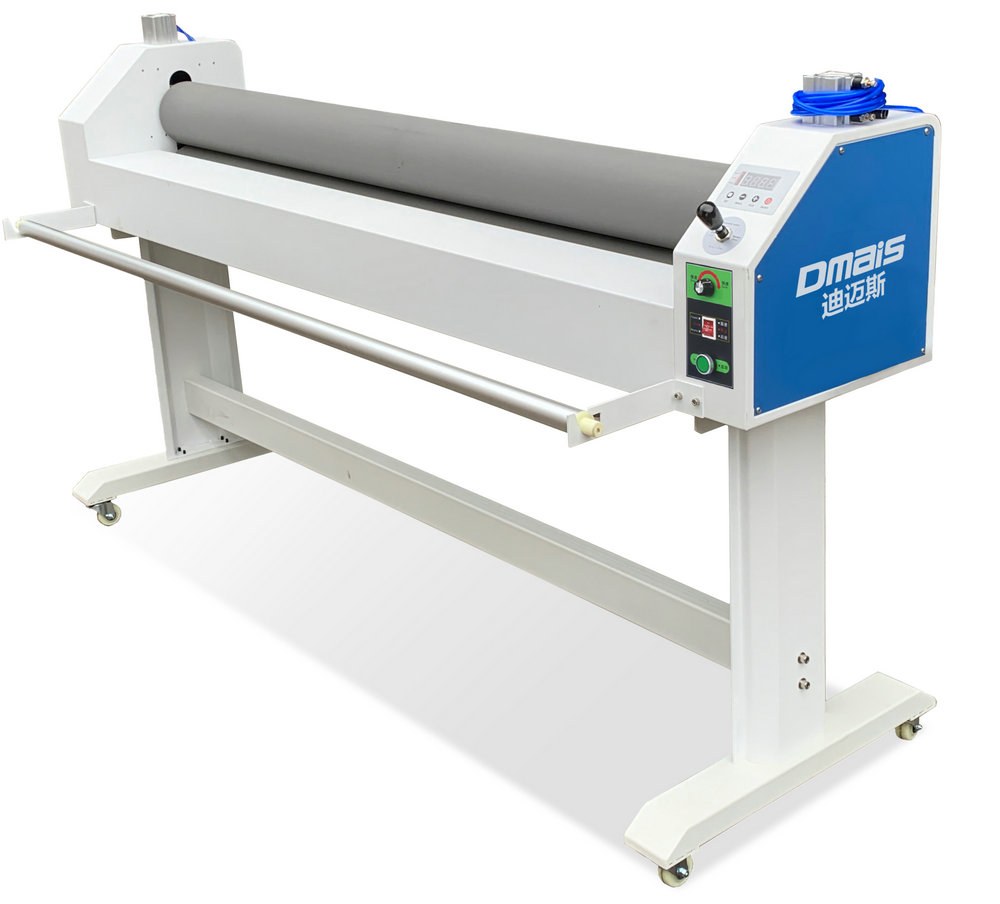
The ink layer condition of printed materials primarily encompasses the properties of paper, ink functionality, ink layer thickness, appearance of graphics and text, and the integrated density of printed graphics and text. Their impact on the quality of laminating is mainly reflected in the adhesive strength between the printed materials and the film. 1. Ink layer thickness. When the ink layer of printed materials is thick and the graphic area is large, these inks alter the porous surface characteristics of the paper, closing many of the paper fibers' pores and preventing the penetration and dispersion of adhesive, making it difficult for the printed material to adhere to plastic film, and easily leading to faults such as delamination and bubbles. 2. The role of ink diluent. Commonly used ink diluents include white ink, varnish oil, and varnish paste. White ink has obvious powder particles that are not tightly bound to the binder. After printing, these pigment particles will float on the paper surface, hindering adhesion. Varnish oil is made by rolling aluminum hydroxide and binder together. Due to the light weight of aluminum hydroxide, it often floats on the surface of the ink layer after printing. When laminating, it forms an insulating layer between the adhesive and the ink layer, resulting in poor adhesion or bubbles. Varnish paste is made from resin, dry vegetable oil, drying agents, etc., with a fine texture and a glossy film. It has similar properties to laminating adhesives, which mainly consist of conjugated multi-bond terpene resin. They have good affinity and can firmly adsorb polypropylene film on the surface of the ink. 3. Addition and amount of drying oil. Adding drying oil to the ink can accelerate the drying of the print, but excessive amounts can easily form a shiny and smooth low-interfacial layer on the surface of the ink layer, making it difficult for the adhesive to wet and penetrate, affecting the fastness of the laminating. Therefore, the amount of drying oil added should be controlled. 4. Powder spraying. Offset printing employs the powder spraying process to prevent smudging of the printed matter, forming a layer of fine particles on the surface of the ink layer. When laminating, the adhesive does not bond to the ink layer everywhere, but rather to these powder particles, resulting in a false bonding phenomenon that seriously affects the quality of the lamination. Therefore, for products that require lamination, the use of powder spraying technology should be avoided. For printed matter that has been powder sprayed, use a dry cloth to wipe off the powder particles one by one. 5. Gold and silver ink prints. Gold and silver ink is made by mixing metal powder with a binder. The uniformity and adhesion of these metal powders in the binder are extremely poor, and they are easily separated during the drying process of the ink layer. These separated metal powders form a barrier between the ink layer and the adhesive layer, affecting the effective bonding of the two interfaces. After such products are left for a period of time, they may exhibit wrinkles, bubbles, and other phenomena. Therefore, laminating of gold and silver ink prints should be avoided. 6. Drying condition of the ink layer on printed materials. When the ink is not completely dry, laminating can easily cause the high boiling point solvents contained in the ink to swell and elongate the plastic film, which is the main reason for bubbles and delamination in the laminated product. Adequate drying of the ink layer is the primary condition for ensuring the quality of laminating. For products that require laminating urgently but the ink is not dry, they can be dried. image
