How to troubleshoot common faults of fully automatic laminating machines?
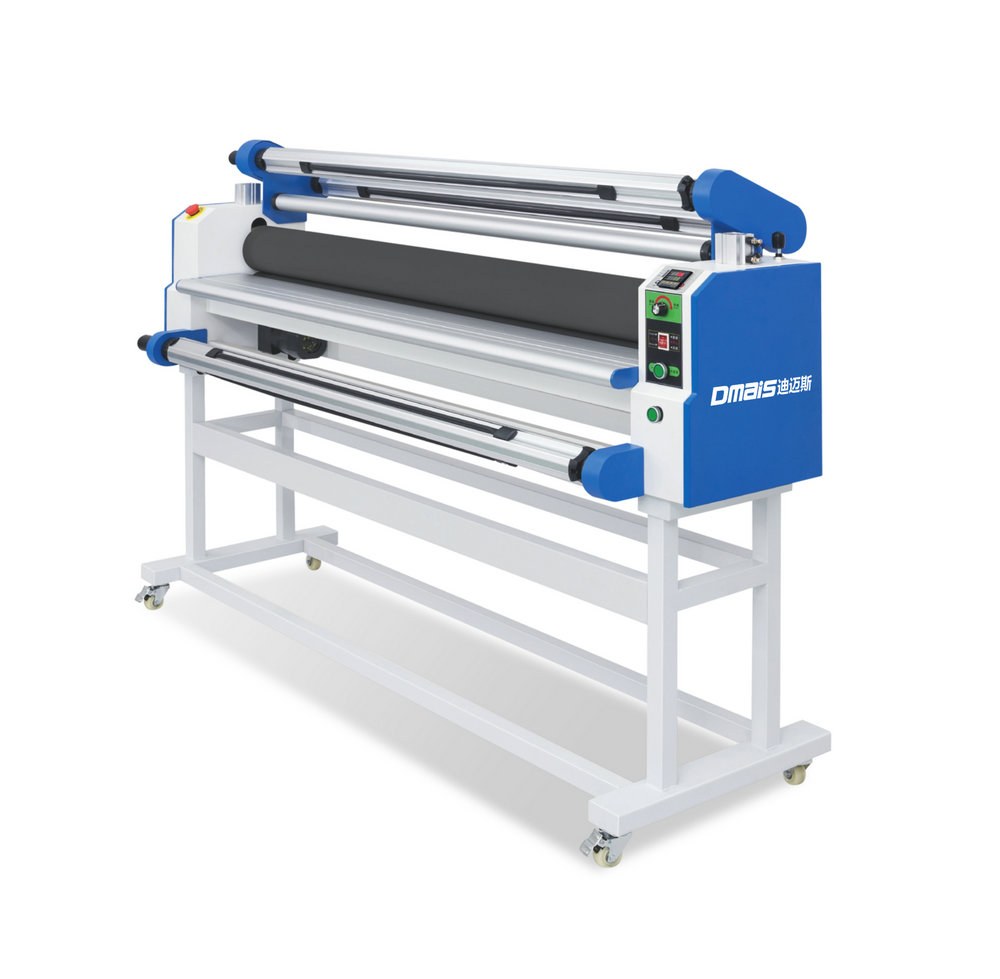
The vacuum laminating process of a fully automatic laminating machine involves vacuuming between the film and the artwork, then setting it at a certain temperature to complete the lamination. Its operation method is complex, the cost is high, and the image size is subject to certain limitations. However, the mounting quality is high, the image texture is strong, and it is suitable for photographs. It is more suitable for laminating various art prints and is widely used in processing various book covers, pictures, packaging cartons, handheld paper-plastic bags, calendars, etc. In case of a series of malfunctions, the following solutions can be referred to for effective treatment. 1. Inaccurate temperature measurement: check if the thermocouple and temperature controller are installed correctly and not damaged. 2. Machine does not start: Input wire is not connected, power cord is reversed, voltage is insufficient. 3. The working vacuum degree cannot be increased: the gas path is blocked, the manual valve or solenoid valve is not sealed, the vacuum pump motor belt is loose, or the vacuum gauge is damaged. 4. Main power switch trips: leakage in the input wire on top of the heating box, leakage in the distribution box, external wires touching the equipment, motor leakage, etc. 5. Inadequate film suction: insufficient vacuum, air leakage, insufficient temperature, too thin film, workpiece has been pasted with other materials, the depth of the workpiece's concave exceeds the film's stretching ability, suction time is too short, film is not stretched, workpieces are too close together. 6. The surface of the reworked workpiece has folds and is not lubricated or the corners are not wrapped: the film is not straightened, the film quality is poor, the workpiece is not polished well, too much glue is sprayed, and the template under the workpiece is too low. 7. When it's not time for suction, the film pulls down: can the solenoid valve or manual valve be opened. 8. Film cracking phenomenon: Too high temperature, too long heating time, poor film quality, no heating. image
