How to effectively reduce the usage of laminating machines
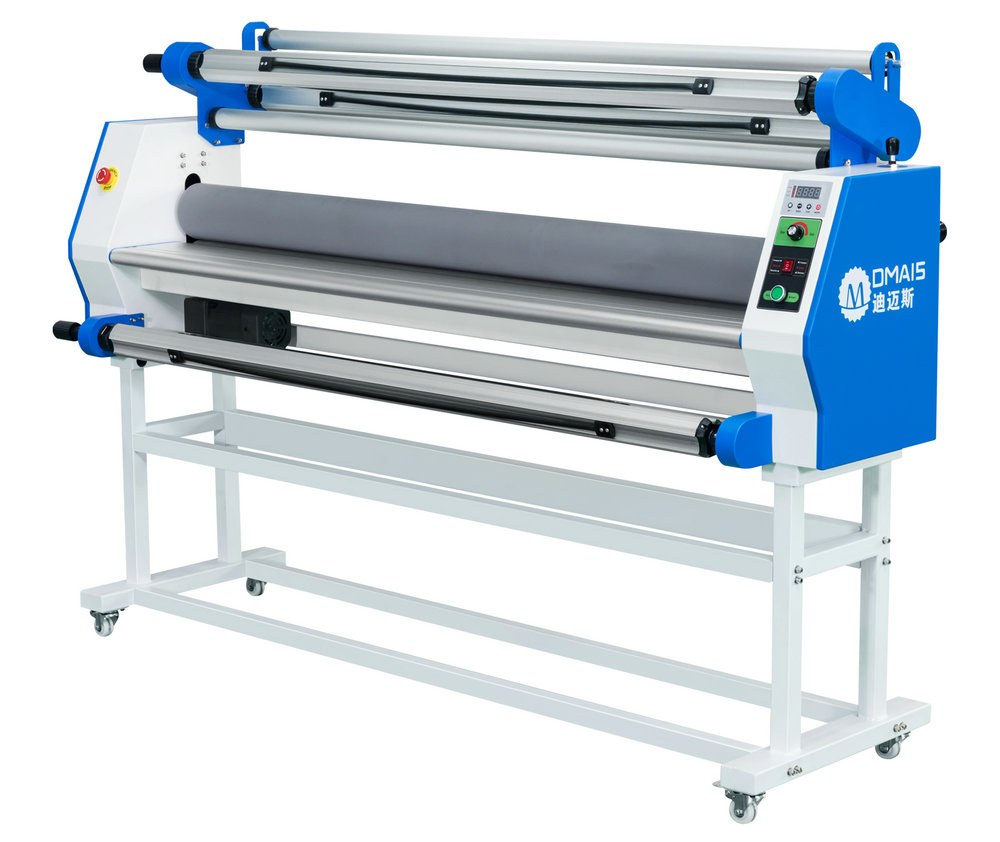
Lamination technology is widely used in various packaging and decorative printed materials in China, including books, magazines, albums, calendars, maps, and other bound forms. It is a popular surface processing technology for printed products. Lamination technology entered China in the 1980s and quickly became popular nationwide due to its many advantages, gradually becoming the darling of book and magazine surface decoration. Nowadays, people's awareness of environmental protection is gradually increasing, and relevant laws and regulations are constantly being improved. Two major issues arise in the process of laminating: pollution during the process and the difficulty in reusing discarded laminated products. When people mention laminating machines, they often think of "white pollution". Many industry insiders question the function and sustainability of laminating, and in 2002, the former Economic and Trade Commission issued Decree No. 32, which included solvent-based coating laminating machines in the third batch of the "Catalogue of Selected Backward Production Capacities, Processes, and Products". It is certain that in the future development process, laminating technology will undergo more and more testing. How will laminating develop? Will it be thoroughly filtered or reasonably developed? These questions will become unavoidable challenges in the development process of laminating technology. Saving film during the operation of laminating machines can significantly reduce costs, which is also a basic operating standard for laminating machines. Here are some suggestions on how to save film: When applying film, it is also important to pay attention to the texture direction of the film, especially for thick films, to reduce the occurrence of bending due to rolling and stretching. When operating the laminating machine, it is important to pay attention to controlling the speed, adjust it based on practical experience and changes in materials, and strive to maintain a constant speed; The film material must be flat and straight. Uneven films with "lotus leaf edges" and "tight edges" must be processed. Films with "lotus leaf edges" can be baked, while papers with "tight edges" can be hung for drying. To properly control the temperature, it is important to note that too high a temperature can cause the film to deform, resulting in curved products, while too low a temperature can lead to insufficient viscosity. Depending on the type of laminating material, you can adjust the temperature based on your practical experience, in order to maximize the amount of film saved. image
